Cafe Racers: A Stylish Journey through History
The history of cafe racers is a captivating tale that intertwines rebellion, speed, and style. Born in post-World War II Britain, these motorcycles became a symbol of a subculture that embraced the thrill of the open road. Over the years, cafe racers have evolved from their humble beginnings into a timeless and iconic genre of motorcycles, leaving an indelible mark on the world of motorcycling and fashion.
Post-WWII Era:
The origins of this motorcycle culture can be traced back to the 1950s and 1960s in Britain, a time when a generation of young, restless riders sought excitement and individuality. After the war, surplus military motorcycles were readily available, providing a canvas for enthusiasts eager to modify and personalize their bikes for a faster, sleeker look. The term “cafe racer” itself is said to have originated from the practice of racing between cafes, a favorite pastime for these daring riders.
Cafe Racers Characteristics and Modifications:
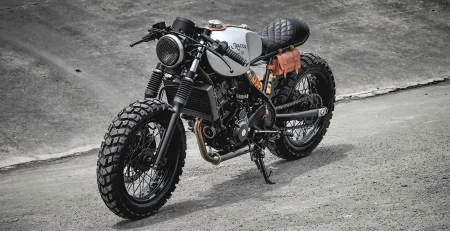
Cafe racers are characterized by their stripped-down design, minimalist aesthetic, and a focus on speed and manoeuvrability. Key modifications included removing unnecessary components like fenders and mirrors, swapping out the stock handlebars for low-mounted clip-ons, and installing a single, elongated seat. These alterations not only enhanced the bike’s performance but also contributed to the distinctive, streamlined appearance that these motorcycles are known for.
Several motorcycle models gained legendary status within the cafe racer community. The Triumph Bonneville, Norton Manx, and BSA Gold Star were among the favored platforms for customization. Additionally, the emergence of specialized brands like Norton, Royal Enfield, and Ducati contributed to the cafe racer’s legacy, producing bikes that embodied both style and performance.
Revival and Modern Era:
While the popularity of cafe racers declined in the 1970s and 1980s, the aesthetic and spirit endured. In the 21st century, there has been a resurgence of interest in cafe racers, driven by a nostalgia for the classic design and an appreciation for the craftsmanship of custom-built motorcycles. Modern manufacturers, recognizing the enduring appeal of cafe racers, have also introduced models that blend retro styling with contemporary technology, attracting a new generation of riders. This also allowed for third parties producer to create lines of accessories dedicated to the new motorcycles. Take us for example, we have a line of leather bags for Moto Guzzi and a line of leather bags for Triumph.
Our Thoughts on Cafe Racers
The history of cafe racers is a testament to the enduring allure of motorcycles that embody both style and substance. From their rebellious roots in post-WWII Britain to their resurgence in the modern era, cafe racers continue to captivate riders and enthusiasts worldwide. As a symbol of freedom, individuality, and the pursuit of speed, the cafe racer remains an iconic and timeless chapter in the story of motorcycling.