Harley-Davidson Board in Crisis: Power Struggles and an Uncertain Future
The Harley-Davidson brand is synonymous with freedom, rebellion, and American heritage. But beneath the chrome surface of this legendary motorcycle manufacturer, a storm is raging. In recent weeks, Harley-Davidson’s boardroom has become the center of a power struggle that could drastically reshape the company’s future.
From investor discontent to leadership clashes, the company is facing one of its most turbulent corporate moments in recent history.
The Resignation That Sparked a Firestorm
The tension escalated dramatically with the resignation of Jared Dourdeville, a key board member representing H Partners, Harley-Davidson’s second-largest shareholder. In a sharply worded letter, Dourdeville accused CEO Jochen Zeitz and other long-standing board members of:
Failing to execute a clear, effective strategy
Allowing a decline in brand culture and internal morale
Mismanaging human capital, including high executive turnover
Embracing a “remote-first” culture that weakened company cohesion
Dourdeville’s criticism didn’t stop there. He highlighted concerns about Harley-Davidson’s inventory mismanagement, noting that motorcycle stock at dealerships now lingers an average of 140 days—well above the previous 99-day average.
Shifting Market is not helping the brand
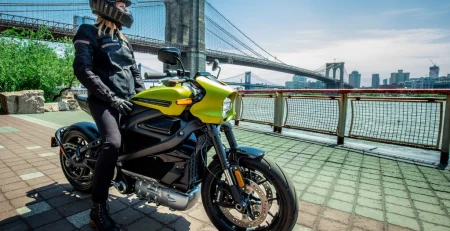
This boardroom crisis comes at a time when Harley-Davidson is already under pressure in the market. Despite the launch of the RevMax engine series and electric initiatives like the LiveWire spin-off, the company struggles to:
Appeal to younger riders
Compete globally, especially in emerging markets
Recover from declining sales and stock value, which has dropped roughly 45% in the past 12 months
Investor confidence is clearly wavering. H Partners has signaled its intent to remove Zeitz and two other board members during the upcoming shareholders’ meeting on May 14.
CEO Jochen Zeitz situation
Jochen Zeitz, known for his previous turnaround success at Puma, took the helm of Harley-Davidson in 2020. He launched the “Hardwire” strategy to restructure operations, boost profitability, and modernize the brand.
While some praise Zeitz for guiding Harley through a difficult period, critics like Dourdeville argue that his leadership has come at the expense of long-term brand health.
It’s also worth noting that Zeitz has already announced plans to retire in 2025, but for some investors, that timeline isn’t fast enough.
Harley-Davidson’s Official Response
In response to the upheaval, Harley-Davidson has defended its strategy. A company spokesperson emphasized:
Strong employee engagement metrics
Strategic alignment between the board and CEO
A successful product pipeline, including the RevMax platform
A succession plan already in place for Zeitz’s departure
Still, the underlying tension remains. And with H Partners ramping up its opposition, the battle for control could intensify.
What’s at Stake for Harley-Davidson’s Future?
This board-level conflict isn’t just corporate drama—it could redefine Harley-Davidson’s trajectory in a rapidly evolving motorcycle industry. Key issues to watch include:
Will a change in leadership restore investor confidence?
Can Harley-Davidson modernize without losing its core identity?
Will younger consumers ever fully embrace the brand’s legacy?
The answers to these questions could determine whether Harley-Davidson thrives or continues to tread water in the years to come.
The Road Ahead
As the Harley-Davidson board crisis unfolds, one thing is clear: the stakes are higher than ever. This isn’t just about replacing a CEO—it’s about choosing a path forward for a brand that helped define American motorcycling.
With internal politics, shifting market dynamics, and activist investors all colliding, May’s shareholder meeting could be a turning point in Harley-Davidson’s modern history.
Ends Cuoio, premium leather bags for motorcycles.